
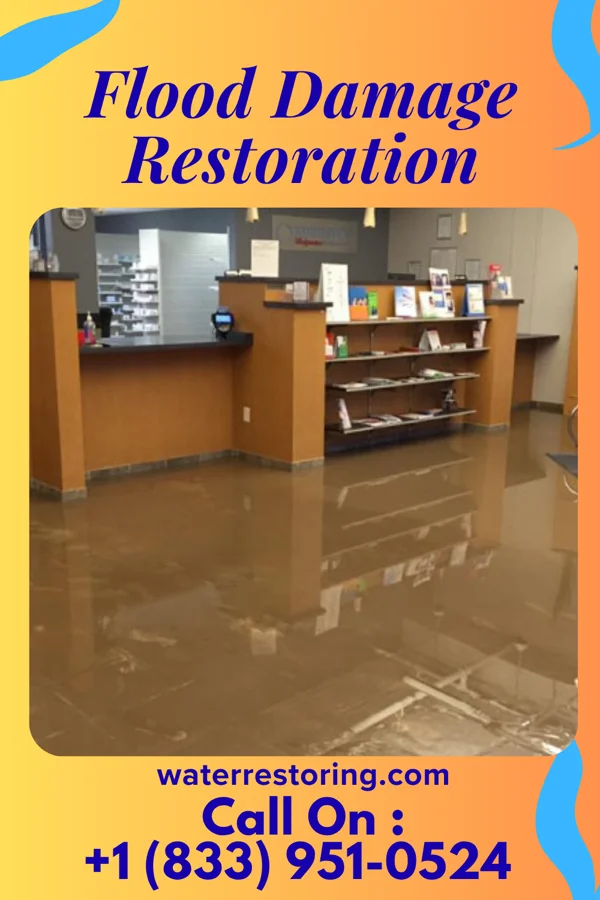
St. Paul Flood Damage: What Property Owners Should Know
Residential or commercial, water damage emergencies in St. Paul keep coming back to the same drivers. St. Paul, Nebraska is prone to flooding due to its location in a rural area near the Republican River, which can experience seasonal overflows. Additionally, heavy rainfall events and snowmelt from nearby hills can lead to localized flooding in low-lying areas of the town. sits at the top of the list.
The region experiences a continental climate with cold winters and warm summers. Spring and early summer rains often result in increased groundwater levels and potential flooding, especially in areas with poor drainage systems.
Water damage in St. Paul follows a few local patterns. St. Paul, Nebraska is prone to flooding due to its location in a rural area near the Republican River, which can experience seasonal overflows. Additionally, heavy rainfall events and snowmelt from nearby hills can lead to localized flooding in low-lying areas of the town. accounts for the bulk of our calls. The region experiences a continental climate with cold winters and warm summers. Spring and early summer rains often result in increased groundwater levels and potential flooding, especially in areas with poor drainage systems. In St. Paul, mold growth can begin within 48 hours of water exposure. Immediate action is critical to prevent health hazards and structural damage. Our team is trained to respond quickly and implement mold prevention strategies.