
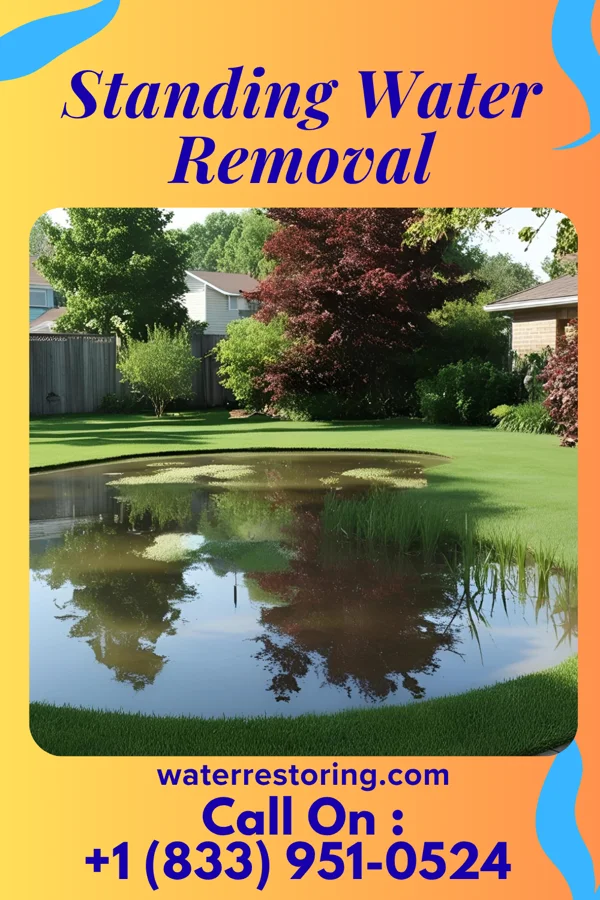
Why St. Paul Standing Water Demands Fast Removal
Most water damage emergencies in St. Paul start with In St. Paul, Nebraska, the primary water damage cause is often due to sudden pipe bursts in older homes, especially during colder months when frozen pipes can lead to significant leaks. Additionally, localized flooding from nearby rivers or heavy rainfall can impact rural properties in the area.. A close second is Secondary causes include groundwater seepage around basements, plumbing failures in commercial buildings, and stormwater runoff from nearby agricultural fields. These issues are common in the rural setting of St. Paul, where infrastructure may be less equipped to handle sudden water influx.. From the second water touches the property, every minute changes what gets saved and what gets ripped out.
St. Paul's rural location and proximity to Cushing, NE, expose it to seasonal flooding risks, especially during spring thaw and heavy precipitation events. The area's flat terrain and agricultural land use can exacerbate water accumulation, leading to prolonged water damage scenarios.
Most standing water removal calls in St. Paul come from In St. Paul, Nebraska, the primary water damage cause is often due to sudden pipe bursts in older homes, especially during colder months when frozen pipes can lead to significant leaks. Additionally, localized flooding from nearby rivers or heavy rainfall can impact rural properties in the area.. Running a close second is Secondary causes include groundwater seepage around basements, plumbing failures in commercial buildings, and stormwater runoff from nearby agricultural fields. These issues are common in the rural setting of St. Paul, where infrastructure may be less equipped to handle sudden water influx.. Local mold risk: In St. Paul, mold growth can develop rapidly due to the region's humid summer months and potential for standing water. Prompt water extraction and drying are critical to prevent mold from spreading in homes and barns.